
Taxi vs Limousine Services: A Professional Comparison
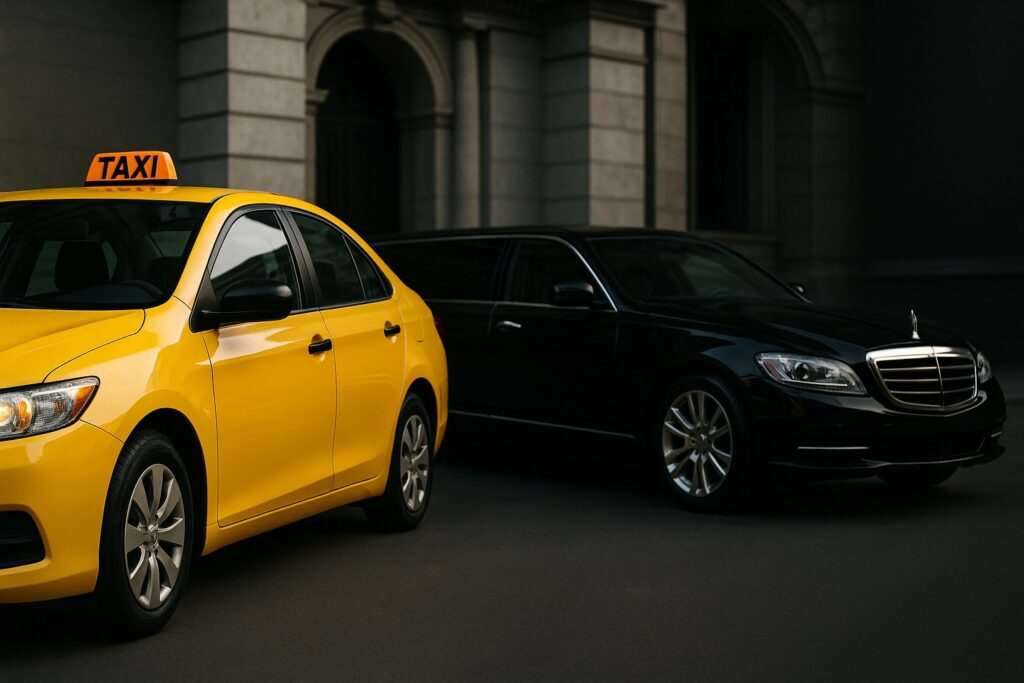
Taxi vs Limousine Services: A Professional Comparison
Navigating Ground Transportation for Senior Professionals
Taxi vs Limousine services: Navigating the world of ground transportation, especially for senior professionals, requires more than simply choosing the first available ride. With the evolution of business travel and the increasing demand for comfortable, reliable, and cost-effective transportation, the debate between taxi and limousine services has become more relevant than ever. We come as a great transport company, Pro Cars Woking taxi service and airport transfers. We do Woking airport transfers such as:
Woking taxi to Heathrow
Woking taxi to Gatwick
This article offers an authoritative comparison of taxi and limousine options, examining their distinctive features, cost structures, and suitability for various professional use cases. Through detailed analysis, real-world examples, and actionable insights, we equip you to make informed decisions tailored to your organization’s transportation needs.
Understanding the Landscape: Taxi and Limousine Services Defined
Before delving into the comparative aspects, it’s crucial to define what constitutes taxi and limousine services in today’s market.
Taxis are typically standard vehicles hailed on-demand, either via street hailing or through a mobile app, providing metered rides at regulated rates. Limousine services, on the other hand, encompass a range of luxury vehicles, including stretch limos, executive sedans, and SUVs, often booked in advance and offering customizable amenities.
The distinction goes beyond the vehicle type: limousines are associated with elevated service standards, privacy, and exclusivity, while taxis focus on accessibility and efficiency.
Service Models: On-Demand versus Pre-Arranged
Taxis operate on an on-demand model, available at any hour and typically requiring minimal wait times, especially in metropolitan areas. Limousine services, conversely, are usually pre-arranged, with vehicles dispatched at a scheduled time.
This distinction affects not only convenience but also reliability and personalization. For professionals who value flexibility, taxis offer a practical choice. However, those seeking a seamless, curated experience may gravitate toward limousine services, where drivers are informed of itinerary details in advance and are prepared to accommodate custom requests.
Vehicle Standards and Comfort
One of the most pronounced differences between taxi and limousine services lies in vehicle standards. Taxis vary widely in age, cleanliness, and amenities, often limited to basic comfort.
Limousines, by contrast, are maintained to exacting standards, offering plush interiors, climate control, entertainment systems, and even refreshments. For senior executives, these differences can have a direct impact on productivity and well-being during transit. While Woking taxi suffice for short, utilitarian trips, limousine services are engineered to deliver a premium experience, perfect for longer journeys or when making a strong impression is paramount.
Key Differences: Taxi vs Limousine Services
To provide a structured comparison, it’s essential to outline the primary differentiators between taxi and limousine services. This section examines cost structures, service levels, booking processes, and rider expectations, allowing professionals to weigh the pros and cons for their specific transportation needs.
Cost Structures: Base Fares, Hourly Rates, and Hidden Fees
Taxi fares are typically calculated based on distance, time, and local tariffs, with additional surcharges for factors like airport pickups, late-night service, or extra passengers.
Limousine services, however, often operate on fixed hourly rates or point-to-point pricing, which can sometimes include gratuity and amenities. While taxis may appear more economical for short trips, limousine pricing becomes competitive—or even advantageous—for longer journeys or when multiple stops are required.
Hidden costs, such as waiting time or tolls, should also be considered when evaluating total expenditure.
Booking and Availability: Convenience versus Customization
Booking a taxi is generally straightforward—via app, phone, or street hail—making it an ideal choice for spontaneous travel.
Limousine services, by contrast, require advance booking, allowing for tailored arrangements such as route planning, special requests, and even branding. For time-sensitive events like conferences or board meetings, the assurance of a pre-scheduled limousine can be invaluable.
However, for last-minute changes or unpredictable schedules, the flexibility of taxis often prevails. The decision ultimately hinges on the importance of convenience versus customization.
Professionalism and Service Quality
While both taxi and limousine drivers are licensed professionals, the level of service can differ markedly.
Limousine chauffeurs typically undergo rigorous training in etiquette, confidentiality, and route optimization, reflecting the high expectations of their clientele. On Woking Taxis, while functional, may not offer the same degree of personalized service, uniformed attire, or discretion—attributes especially valued by senior executives and VIPs.
Evaluating the professionalism of each service is critical when transporting clients, executives, or stakeholders who represent the organization. So what is the perfect answer for the question: what is best, taxi vs limousine services?
Safety and Regulatory Compliance
Safety is a non-negotiable aspect of executive transportation. Taxis are typically subject to municipal regulations, regular inspections, and mandatory insurance coverage.
Limousine companies, especially those servicing corporate accounts, often exceed these standards, offering enhanced background checks, ongoing driver training, and real-time ride monitoring. For organizations prioritizing duty of care, understanding these differences is essential for risk mitigation and compliance with corporate travel policies.
Comparison Chart: Taxi and Limousine Services at a Glance
| Feature | Taxi Service | Limousine Service |
|---|---|---|
| Booking Method | On-demand / app / street hail | Advance reservation |
| Vehicle Type | Standard sedan / hatchback | Luxury sedan / SUV / limousine |
| Cost Structure | Metered, per mile/minute | Hourly, flat rate, packages |
| Service Level | Basic, functional | Premium, personalized |
| Professionalism | Varies, less formal | High, uniformed chauffeurs |
| Amenities | Limited | Extensive (Wi-Fi, drinks) |
| Safety Standards | Regulated, local laws | Enhanced, corporate-focused |
| Ideal Use Case | Short trips, quick rides | Executive travel, events |
This side-by-side comparison highlights the most critical distinctions between taxi and limousine services, offering a concise reference point for decision-makers.
In-Depth Case Studies: Real-World Applications for Senior Professionals
Examining how organizations deploy taxi and limousine services in practical scenarios provides actionable insights for senior decision-makers.
Case Study 1: Corporate Roadshows and Investor Meetings
A multinational technology firm organizes a week-long roadshow across several cities. The company opts for limousine services, prioritizing reliability, confidentiality, and the ability to work en route. Chauffeurs are briefed on itineraries, ensuring punctuality and seamless logistics. While costs are higher, productivity and brand perception justify the investment.
Case Study 2: Urban Commutes and Last-Minute Appointments
A senior manager with unpredictable schedules relies on taxis for immediate availability. The flexibility and speed align with the manager’s need for agility, despite the absence of luxury features.
Case Study 3: Executive Client Transfers and VIP Events
A law firm hosting international clients selects limousine services to convey professionalism and hospitality. Chauffeurs provide meet-and-greet services, refreshments, and Wi-Fi, reinforcing the firm’s premium positioning.
Expert Analysis: Strategic Implications for Organizations
From a strategic standpoint, choosing between taxi and limousine services involves evaluating productivity, compliance, brand equity, and risk management.
Total Cost of Ownership Beyond the Fare
Limousine services may reduce total cost of ownership by minimizing delays and enabling productive travel time, despite higher upfront costs.
Risk Management and Duty of Care
Enhanced safety protocols and vetted chauffeurs make limousine services better aligned with corporate duty-of-care policies.
Brand Representation and Client Perception
Transportation choices signal organizational values. Limousines project professionalism and attention to detail, while taxis emphasize cost efficiency.
Actionable Takeaways: Choosing the Right Solution
- Assess organizational travel needs
- Evaluate vendor credentials and service quality
- Integrate transportation into travel policy
- Leverage technology for tracking and analytics
Implementing an Effective Ground Transportation Program
After selecting providers, organizations should monitor performance metrics, gather feedback, and maintain strong vendor relationships to ensure continuous improvement.
Conclusion: Making the Informed Choice Between Taxi and Limousine Services
Selecting between taxi and limousine services requires balancing cost, convenience, professionalism, and strategic objectives. Taxis provide flexibility for everyday needs, while limousine services deliver premium value for high-profile occasions.
By adopting a structured, data-driven approach, organizations can ensure their transportation strategy supports productivity, safety, and brand reputation—now and in the future. Great Woking taxi and Woking airport transfers with Pro Cars Woking 24/7. Thank you for reading Pro Cars Woking Latest News
Our Partners:
Woking-Taxi
Taxi Woking Airport
Pro Cleaning Woking